
HIGH5 vs Culture Index: Free Culture Index Test Alternative
![30 Branch Interview Questions and Answers [2023]](https://high5test.com/wp-content/uploads/2023/03/30-Branch-Interview-Questions-and-Answers-2023.jpg "30 Branch Interview Questions and Answers [2023]")


![30 Business Analyst Interview Questions and Answers [2023]](https://high5test.com/wp-content/uploads/2023/03/30-Business-Analyst-Interview-Questions-and-Answers-2023.jpg "30 Business Analyst Interview Questions and Answers [2023]")

+4 million happier test takers
Great for job seekers preparing for a Culture Index assessment, HR managers looking for a scalable alternative, and teams who want a shared language for strengths.
HIGH5 vs Culture Index: What's the Difference?
The Culture Index is a B2B hiring tool – it’s designed to tell employers how you fit a predefined role profile. It doesn’t tell you much about yourself. HIGH5 flips that: it identifies your top 5 strengths so you understand what energizes you, how you work best, and how to grow – whether you’re a job seeker, a team leader, or an HR professional building a stronger team.
What you get
Your top 5 strengths – what energizes you and drives your best performance
A behavioral profile mapped to a job role
Who it’s for
Individuals, teams, HR managers, coaches
Primarily hiring managers
Cost
Free to start; paid reports from $19
Enterprise pricing – typically $5,000–$20,000+/year
Results
Instant, self-readable, actionable
Requires an executive advisor to interpret
Focus
Strengths you can build on and apply
Behavioral fit for a specific role
Team use
Shared strengths language for collaboration
Hiring and role-fit screening
Time
~15 minutes, instant results
~10 minutes, results interpreted by consultant
Access
Free to start, no sales call needed
Demo required, no public pricing
What You Get: Free Results vs the Full Strengths Report
Start with the free test to discover your top 5 strengths. Upgrade anytime for deeper, personalized guidance.
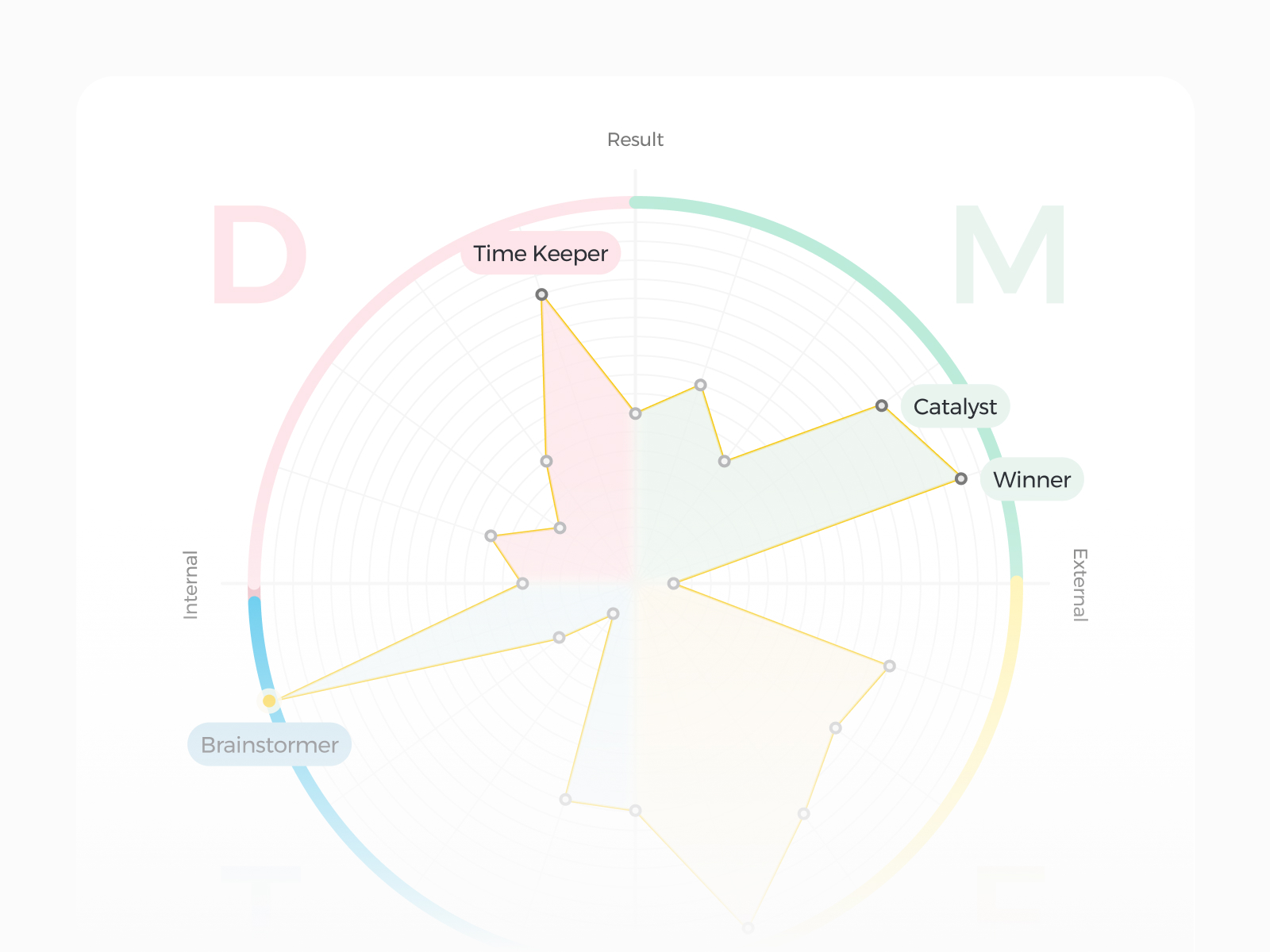
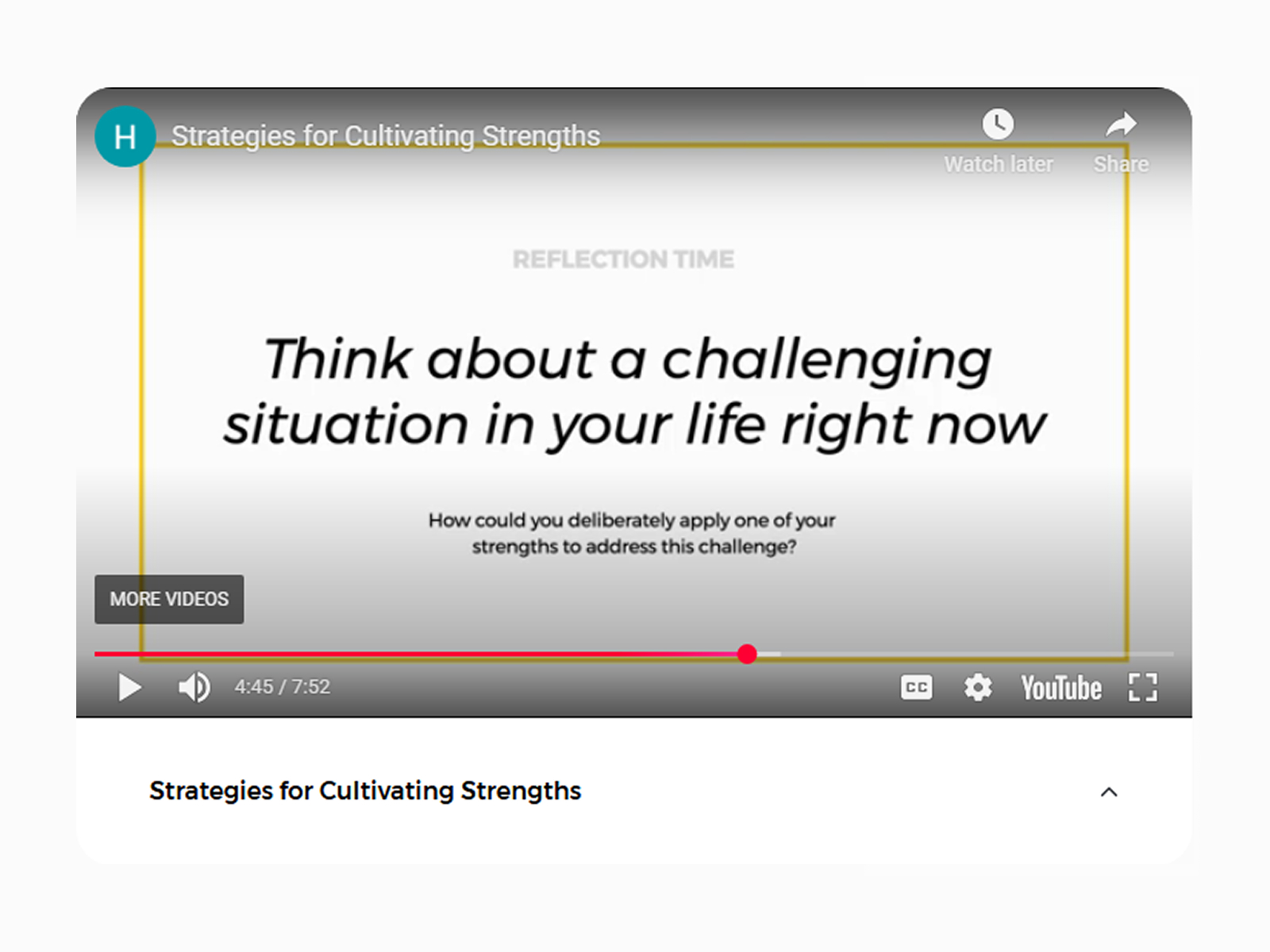
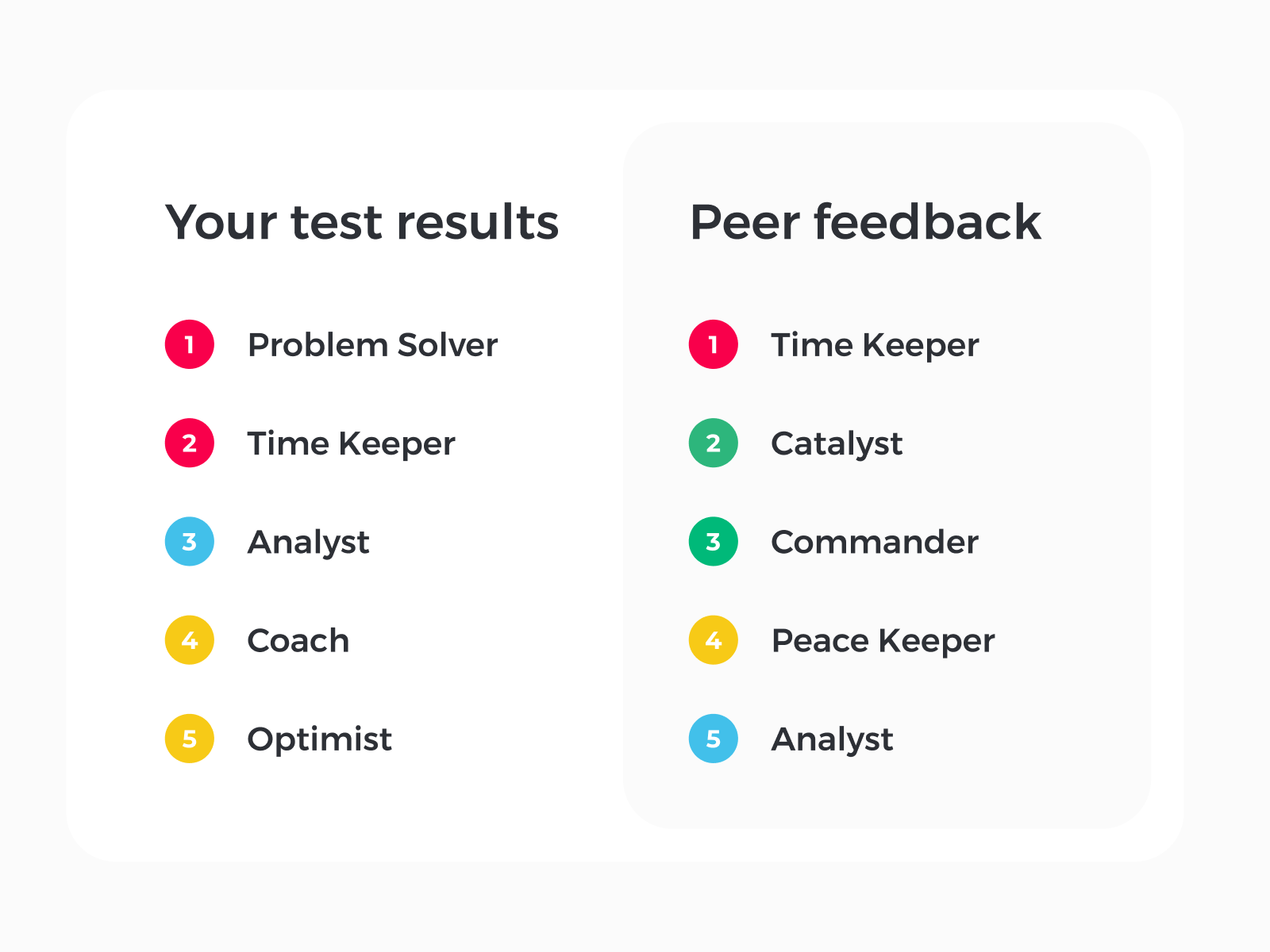
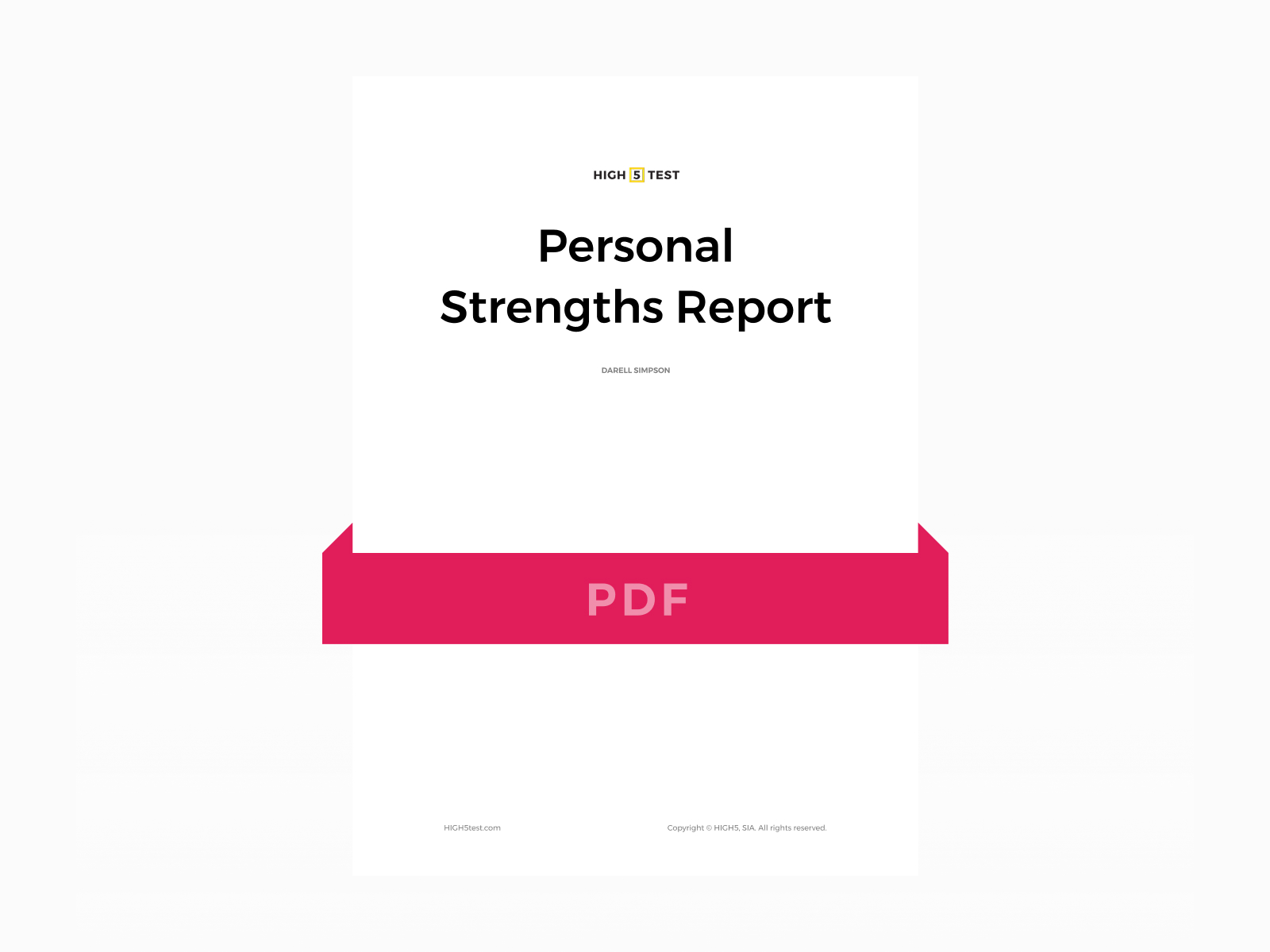

How the Free Culture Index Alternative Works
Getting your strengths profile is simple. You’ll answer a short set of questions, get your top 5 strengths instantly, and then decide if you want to go deeper with a tailored report.
Trusted by Millions - Built for People, Not Just Hiring Pipelines
If you’ve been asked to take a Culture Index survey for a job, you already know the feeling: you answer two pages of adjectives, and the results go to your employer – not to you. HIGH5 is different. Your results belong to you. They’re designed to help you understand yourself, grow your career, and work better with others – not just to screen you in or out of a role.
Individuals have used HIGH5 to build confidence, improve collaboration, and make better decisions using a shared language of strengths.
“I found HIGH5 while researching, took the test, and honestly got more out of it than any assessment”
Marcus, Sales Director
“We switched to HIGH5 with our small organization – the real win was that our people actually understood and used their results.”
Rachel, Head of People Operations
“I was looking for something I could roll out without a consulting engagement. HIGH5 was the perfect fit for that!”
Jordan, Team Lead
Countries served last year
“I took HIGH5 after the Culture Index for a job interview and felt like person, not a data point.”
Priya, Marketing Manager
Organizations served in the last 12 months, such as:

FAQ: Culture Index Test Alternative
Is HIGH5 a Culture Index test?
No. HIGH5 is a strengths-based alternative to the Culture Index. Instead of mapping your behaviors to a job role profile, HIGH5 identifies your top 5 strengths – the abilities and patterns that energize you and help you perform at your best. The results belong to you, not your employer.
Can I take a Culture Index test for free?
The official Culture Index survey is administered by employers – it’s not publicly available as a free standalone test. HIGH5 offers a free strengths assessment that takes about 15 minutes and gives you instant, actionable results you can use immediately.
What are the Culture Index personality types/profiles?
The Culture Index groups people into behavioral profiles across four categories: Organizers (Administrators, Coordinators, Facilitators, Traditionalists), Visionaries (Daredevils, Enterprisers, Philosophers, Trailblazers, Architects), Researchers (Scholars, Specialists, Technical Experts, Craftsmen), and Socially-Oriented (Persuaders, Debaters, Socializers, Rainmakers). HIGH5 doesn’t assign you a label – instead, it identifies your unique top 5 strengths from a set of 20, creating a profile that’s 1 in 2 million.
What is the Culture Index Philosopher profile?
The Philosopher profile in the Culture Index is associated with high autonomy, high ingenuity, and low social-ability – typically a deep, independent thinker who prefers working alone on complex problems. In HIGH5 terms, someone with this profile might score highly in strengths like Analyst, Deliverer, or Strategist.
What is the Culture Index Trailblazer profile?
The Trailblazer is a visionary, high-autonomy, high-energy profile – someone who drives change and thrives in fast-paced, entrepreneurial environments. In HIGH5, this often maps to strengths like Self-Believer, Catalyst, or Commander.
What is the Culture Index Architect profile?
The Architect profile combines high autonomy with high ingenuity and moderate social traits – a strategic, systems-thinking individual. HIGH5 equivalents might include Strategist, Analyst, or Empathizer depending on the individual.
How much does the Culture Index cost?
The Culture Index is an enterprise advisory service – pricing is not publicly listed and requires a sales consultation. Based on industry data, culture assessment platforms typically cost $5,000–$20,000+ per year. HIGH5 is free to start, with individual reports from $19–$29.
How long does the Culture Index survey take?
The Culture Index survey typically takes 10 minutes to complete. HIGH5 takes about 15 minutes and gives you significantly more depth – including a top 5 strengths profile, video course, and 360 peer feedback.
Can you fail a Culture Index survey?
No – the Culture Index is a personality/behavioral assessment, not a test with right or wrong answers. However, employers use the results to screen candidates, which means your profile may or may not match their target role profile. HIGH5 has no “failing” – it simply reveals what you’re naturally great at.
What is the difference between Culture Index and cultural index assessment?
These terms are often used interchangeably. “Culture Index” (capital C, capital I) refers specifically to the proprietary tool by Culture Index LLC. “Cultural index assessment” is a generic term sometimes used to describe any assessment measuring workplace culture fit or behavioral traits.
Can teams use HIGH5 as a Culture Index alternative?
Yes. HIGH5 is designed for teams and scales seamlessly to organizations. It gives teams a shared language for collaboration, communication, and role alignment – without the enterprise price tag or the need for an external consultant to interpret results.
Is HIGH5 research-backed?
Yes. HIGH5 is based on positive psychology research and the science of strengths. Unlike the Culture Index, whose scientific validity documentation is limited, HIGH5’s methodology is grounded in peer-reviewed research on strengths-based development.
What questions are on the Culture Index survey?
The Culture Index survey presents two lists of adjectives. In the first list, you select words that describe how you naturally behave. In the second, you select words that describe what you think is required to succeed in your role. There are no right or wrong answers. The results map your behavioral traits across seven dimensions: Autonomy, Social-ability, Patience, Conformity, Energy Units, Logic, and Ingenuity. If you’re looking for a self-directed alternative, HIGH5’s free strengths test asks 120 questions and gives you instant, self-readable results.
What is the best Culture Index alternative?
The best Culture Index alternative depends on your goal. If you’re an employer looking for a hiring tool, options include Predictive Index, Hogan, or Caliper. If you’re an individual who wants to understand your own strengths or a manager who wants to know the strengths of their team/organization, HIGH5 is the most accessible option: it’s free to start, takes 15 minutes, and gives you instant results you can actually use.
Ready to Try a Free Culture Index Alternative That Actually Tells You Something?
Instant results • Free to start • Optional upgrades • Used by 4M+ people
About the Culture Index Assessment: Survey, Profiles & How It Works (For Readers Who Want the Details)
What is the Culture Index?
Culture Index is a Kansas City-based executive advisory firm founded on the principle of “analytics over instincts.” It provides a proprietary behavioral assessment – commonly called the Culture Index Survey or CI test – used primarily by employers to evaluate job candidates and optimize team performance. The survey consists of two pages of adjectives. Respondents select words that describe themselves and words that describe what success looks like in their role.
How does the Culture Index survey work?
The survey measures seven behavioral traits: Autonomy, Social-ability, Patience, Conformity, Energy Units, Logic, and Ingenuity. Results are plotted as a behavioral profile (represented by four “dots”) and interpreted by a Culture Index Executive Advisor. The survey takes about 10 minutes to complete.
What do Culture Index results mean?
Results are not self-interpretable – they’re designed to be reviewed with an executive advisor who maps your profile to one of the Culture Index archetypes (Philosopher, Trailblazer, Architect, Rainmaker, etc.) and advises on role fit, team dynamics, and hiring decisions.
Is the Culture Index survey accurate?
The Culture Index has published internal validity documentation showing the survey measures what it claims to measure. However, independent peer-reviewed research on its predictive validity for job performance is limited. As with any behavioral assessment, results can be influenced by how respondents interpret the adjectives and the context in which they take the survey.
Disclaimer: HIGH5 does not intend to replicate or substitute the Culture Index assessment. Both tools follow different methodologies and bring value in different ways. HIGH5 does not dispute or diminish the value of the Culture Index and encourages users to explore both. Culture Index is a trademark of Culture Index, LLC. All other trademarks are the property of their respective owners.